
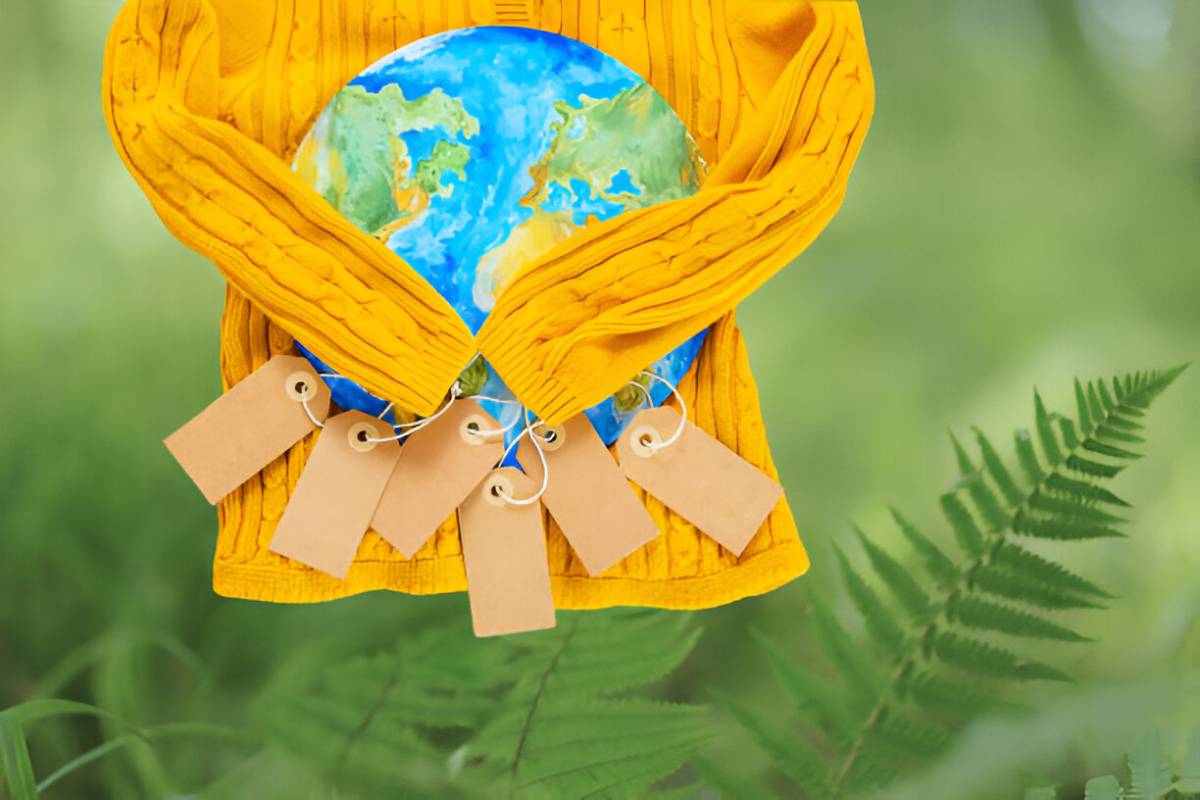
Introduction: Why Sustainable Fashion Matters More Than Ever
Fashion today is no longer just about trends, colors, or seasonal styles.
People want answers.
They want to know:
-
Where their clothes come from
-
Who made them
-
How much damage (or good) those clothes cause
This shift in mindset is why sustainable fashion is no longer a trend — it has become a long-term global movement.
Fast fashion made clothing affordable and easily available, but it also created invisible costs:
-
polluted rivers
-
overflowing landfills
-
unsafe working conditions
-
short-life clothing worn only a few times
Because of this, consumers across the world — especially younger buyers — are slowly moving toward conscious, responsible fashion choices.
Sustainable fashion focuses on balance:
caring for the environment
respecting workers
offering value to consumers
What Is Sustainable Fashion?
Sustainable fashion means making, buying, and using clothing responsibly, without harming people or the planet.
It focuses on:
-
reducing environmental damage
-
using safer materials
-
fair treatment of workers
-
reducing waste
-
making clothes that last longer
In short: Sustainable fashion protects people today and the planet tomorrow.
Core Pillars of Sustainable Fashion
Sustainable fashion works only when all pillars are respected.
Environmental Responsibility
-
Reduced water usage
-
Fewer toxic dyes and chemicals
-
Lower carbon emissions
-
Minimal textile waste
Fair Work & Ethical Labor
-
Fair wages
-
Safe working conditions
-
No child or forced labor
-
Respect for artisans and local skills
Transparency
-
Honest fabric information
-
Clear supply chain
-
Open brand communication
Brands that are transparent earn long-term trust, not just sales.
Why Fast Fashion Became a Problem
Fast fashion focuses on speed + low price, but the hidden costs are massive.
Key Problems Caused by Fast Fashion
-
Clothes worn only 7–10 times on average
-
Over 85% of textiles end up in landfills
-
Heavy water pollution from chemical dyes
-
Poor factory working conditions
Fast Fashion vs Sustainable Fashion (Clear Comparison)
| Factor | Fast Fashion | Sustainable Fashion |
|---|---|---|
| Production speed | Very fast | Slow & planned |
| Fabric quality | Low–medium | Medium–high |
| Environmental impact | High damage | Reduced harm |
| Worker conditions | Often poor | Ethical focus |
| Clothing lifespan | Short | Long |
Environmental Impact: Then vs Now
How Fashion Impact Has Changed Over Time
| Year | Key Fashion Reality |
|---|---|
| 2000–2010 | Rise of ultra-fast fashion |
| 2011–2015 | Awareness of labor issues |
| 2016–2019 | Eco fabrics gain attention |
| 2020 | Pandemic exposes waste |
| 2021–2024 | Sustainable demand rises |
Estimated Industry Shift
-
~20–25% brands now offer eco collections
-
~35–40% consumers consider sustainability before buying
-
Repair & reuse trends increased after 2020
Benefits of Sustainable Fashion
Environmental Benefits
-
Less water pollution
-
Reduced carbon footprint
-
Lower textile waste
-
Conservation of natural resources
Worker & Artisan Benefits
-
Stable income
-
Safer workplaces
-
Preservation of cultural crafts
Traditional work like karigari saree craftsmanship survives because of sustainable demand.
Consumer Benefits
-
Better fabric quality
-
Longer clothing life
-
Skin-friendly materials
-
Emotional satisfaction of ethical choice
Eco-Friendly Fabrics: Comparison Table
| Fabric | Sustainability Level | Key Benefit |
|---|---|---|
| Organic Cotton | High | No toxic chemicals |
| Linen | High | Natural & biodegradable |
| Hemp | Very high | Low water use |
| Recycled Polyester | Medium | Reduces plastic waste |
| Conventional Polyester | Low | Non-biodegradable |
Choosing items like a cotton stylish collar kurti made from organic cotton is a small but meaningful step.
Slow Fashion vs Fast Fashion
| Aspect | Fast Fashion Style | Sustainable Style |
|---|---|---|
| Trend focus | Short-term | Timeless |
| Design life | Seasonal | Multi-year |
| Fabric quality | Thin | Durable |
| Emotional value | Low | High |
Sustainable Fashion by Style Category
Everyday Wear
-
Organic cotton tops
-
Linen dresses
-
Minimal dye usage
Ethnic & Traditional
-
Handloom sarees
-
Natural dye kurtas
-
Artisan embroidery
Creative Fashion
-
Limited-edition designs
-
Reworked garments
-
Concepts like grinch clothing, where creativity meets conscious production
How Consumers Can Choose Sustainable Fashion
Step-by-Step Approach
- Check fabric labels
- Buy less, choose better
- Support transparent brands
- Care for clothes properly
- Repair, reuse, donate
Small changes → long-term impact.
Clothing Care Impact: Comparison
| Habit | Environmental Impact |
|---|---|
| Gentle washing | Reduces fiber damage |
| Cold water | Saves energy |
| Air drying | Extends fabric life |
| Repairing clothes | Reduces waste |
Role of Content in Promoting Sustainable Fashion
Content helps people understand, trust, and act.
Good sustainable fashion content is:
-
Honest
-
Educational
-
Experience-based
Content That Works Best
-
Artisan stories
-
Fabric sourcing explanations
-
Before–after environmental impact
-
Production transparency
How AI Is Supporting Sustainable Fashion Content
AI Helps With:
-
Educational videos
-
Subtitles & accessibility
-
Personal style suggestions
AI Does NOT Replace:
-
Ethical decisions
-
Artisan stories
-
Brand responsibility
Technology supports sustainability — it doesn’t define it.
Social Media & Sustainable Fashion Growth
| Platform | Best Use |
|---|---|
| Styling & reels | |
| YouTube | Process education |
| Blogs | In-depth learning |
| Brand transparency |
Indian Craftsmanship & Sustainability
India has practiced sustainable fashion long before it had a name.
Examples:
-
Handloom weaving
-
Natural dyes
-
Small-batch production
Supporting pieces like karigari saree collections keeps both culture and livelihoods alive.
Common Myths vs Reality
| Myth | Reality |
|---|---|
| Sustainable fashion is expensive | Long-term savings |
| Limited design options | Now very diverse |
| One person can’t help | Every choice matters |
Future of Sustainable Fashion
-
Circular fashion models
-
Clothing take-back programs
-
Fabric innovation
-
Transparent supply chains
-
Informed consumers
Sustainability is no longer optional — it’s expected.
FAQs
Is sustainable fashion only for luxury buyers?
No. Affordable options are increasing every year.
Can one purchase really make a difference?
Yes. Demand shapes supply.
Is sustainable fashion perfect?
No — but it’s better than ignoring the problem.
Final Thoughts
Sustainable fashion is not about being perfect.
It’s about being aware.
Choosing better fabrics.
Supporting ethical brands.
Wearing clothes longer.
Fashion should feel good —
not just on the outside,
but also in your heart and conscience.
